
What Are the Most Common Blood Tests Recommended for Routine Health Checkups?
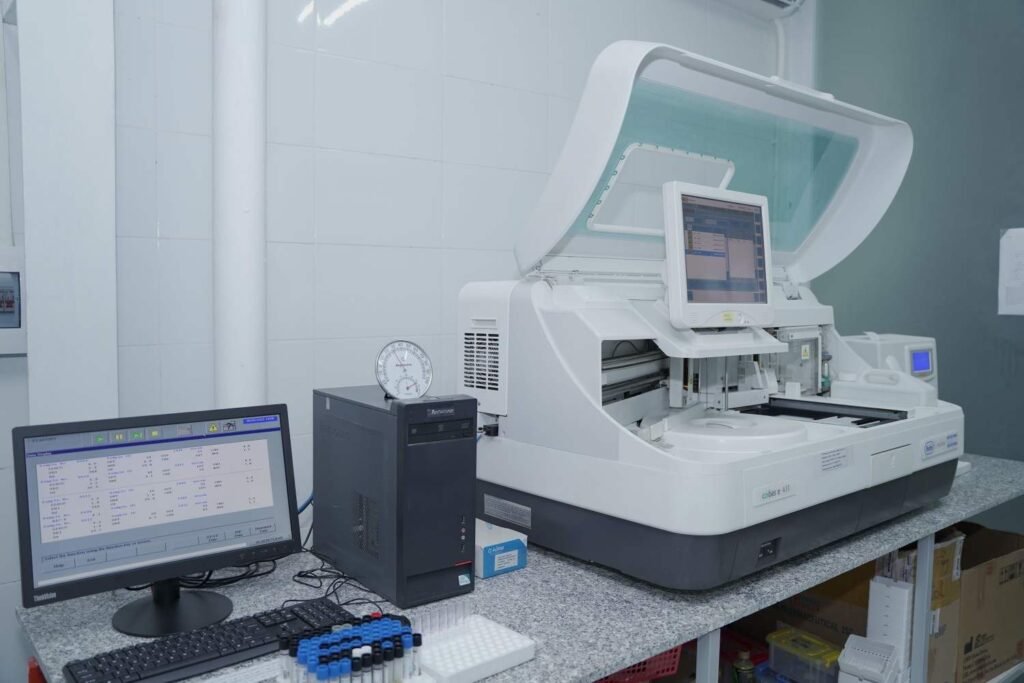
Regular health checkups are essential for understanding your body’s condition and identifying potential health problems early. Many health conditions develop without noticeable symptoms. This is why doctors often recommend routine blood tests to monitor important health indicators. Choosing reliable Pathlabs in Noida can help you stay informed about your health through accurate and timely diagnostic reports. Blood tests provide valuable information about blood cells, blood sugar, cholesterol, thyroid function, and organ health. These results help doctors assess your overall well-being and recommend suitable preventive measures. At Health Star Path Lab, we believe regular testing is an important step towards healthier living. Want a direct connection with us on WhatsApp? Click now. Why Are Routine Blood Tests Important? Routine blood tests help identify health concerns before they become serious. They also allow doctors to monitor existing medical conditions and evaluate how well treatments are working. Some important benefits include: Regular testing at reliable Pathlabs in Noida can make preventive healthcare easier and more convenient. 7 Common Blood Tests Recommended for Routine Health Checkups Doctors may recommend different blood tests depending on your age, medical history, lifestyle, and health concerns. Here are seven commonly recommended tests. 1. Complete Blood Count (CBC) A Complete Blood Count is one of the most commonly recommended blood tests. It measures different components of your blood, including red blood cells, white blood cells, hemoglobin, and platelets. This test helps identify: A CBC test provides useful information about your general health and is often included in routine health screenings. 2. Blood Sugar Test Blood sugar testing measures the amount of glucose in your blood. It helps doctors identify diabetes, prediabetes, and changes in blood glucose levels. Common blood sugar tests include: The HbA1c test provides an estimate of average blood sugar levels over the previous two to three months. Regular monitoring is particularly important for people with diabetes or an increased risk of developing it. 3. Lipid Profile Test A lipid profile measures different types of fats in your blood. These include total cholesterol, HDL cholesterol, LDL cholesterol, and triglycerides. High cholesterol may increase the risk of heart disease and other cardiovascular problems. However, abnormal cholesterol levels do not always cause noticeable symptoms. Doctors recommend lipid profile testing based on individual risk factors, age, and medical history. 4. Liver Function Test (LFT) The Liver Function Test evaluates substances and enzymes associated with liver health. It commonly measures bilirubin, ALT, AST, and other important markers. This test helps doctors identify possible liver inflammation, damage, and other liver-related conditions. People with certain medical conditions, long-term medication use, or liver disease risk factors may require regular monitoring. 5. Kidney Function Test (KFT) Kidneys help remove waste products and maintain the balance of fluids and minerals in the body. A Kidney Function Test measures important markers such as creatinine, urea, and electrolytes. It helps doctors evaluate how effectively the kidneys are working. Regular kidney monitoring is especially important for individuals with diabetes, high blood pressure, or a history of kidney problems. 6. Thyroid Function Test (TFT) The thyroid gland regulates metabolism, energy levels, and several important body functions. A thyroid function test usually measures TSH and may include T3 and T4 levels. It helps identify thyroid conditions such as hypothyroidism and hyperthyroidism. Symptoms like unexplained weight changes, tiredness, and hair loss may lead doctors to recommend this test. 7. Vitamin B12 and Vitamin D Tests Vitamin deficiencies can affect energy levels, bone health, and normal body functions. A Vitamin B12 test helps identify deficiencies that may contribute to anemia, weakness, and nerve-related symptoms. A Vitamin D test evaluates vitamin D levels, which are important for calcium absorption and bone health. Doctors may recommend these tests when symptoms, dietary habits, or medical history suggest a possible deficiency. How Often Should You Get Routine Blood Tests? There is no single testing schedule suitable for everyone. Your doctor may recommend annual health screening or more frequent testing depending on your health condition. People with diabetes, thyroid disorders, high cholesterol, or other ongoing medical concerns may need regular monitoring. Always consult a healthcare professional before choosing a health checkup package. Not every person needs every available blood test. Choosing Reliable Pathlabs in Noida for Accurate Testing Selecting a dependable diagnostic laboratory is important for receiving accurate and consistent results. Before choosing a laboratory, consider its testing facilities, equipment, quality standards, and reporting process. Health Star Path Lab provides comprehensive diagnostic services, including haematology, biochemistry, immunoassay, serology, and clinical pathology. The laboratory focuses on reliable testing, modern diagnostic technology, and patient-friendly services. healthstarpathlab.com+2 When comparing Pathlabs in Noida, patients should also consider professional expertise, hygiene practices, and clear guidance regarding sample collection. At Health Star Path Lab, our aim is to make diagnostic testing convenient and dependable. We understand that timely reports can help doctors make informed healthcare decisions. Frequently Asked Questions (FAQs) 1. Which blood tests are important for a routine health checkup? CBC, blood sugar, lipid profile, LFT, KFT, and thyroid tests are commonly recommended. 2. Should I fast before a blood test? Some tests require fasting, while others do not. Follow your doctor’s or laboratory’s instructions. 3. How often should I get blood tests? It depends on your age, health condition, medical history, and doctor’s recommendations. 4. Can blood tests detect health problems early? Yes. Certain blood tests can identify early signs of diabetes, anemia, cholesterol abnormalities, and organ-related problems. Conclusion Routine blood tests play an important role in preventive healthcare. From checking blood sugar and cholesterol to monitoring liver, kidney, and thyroid function, these tests provide valuable insights into your overall health. Choosing trusted Pathlabs in Noida can help ensure a smooth testing experience and dependable diagnostic support. Health Star Path Lab is committed to providing accurate, timely, and patient-focused diagnostic services. Visit: https://share.google/oY08ERzFMer0iq6tW
